


November 29, 2025
Broken Down? Here’s How to Stay Safe While You Wait for the Tow Truck
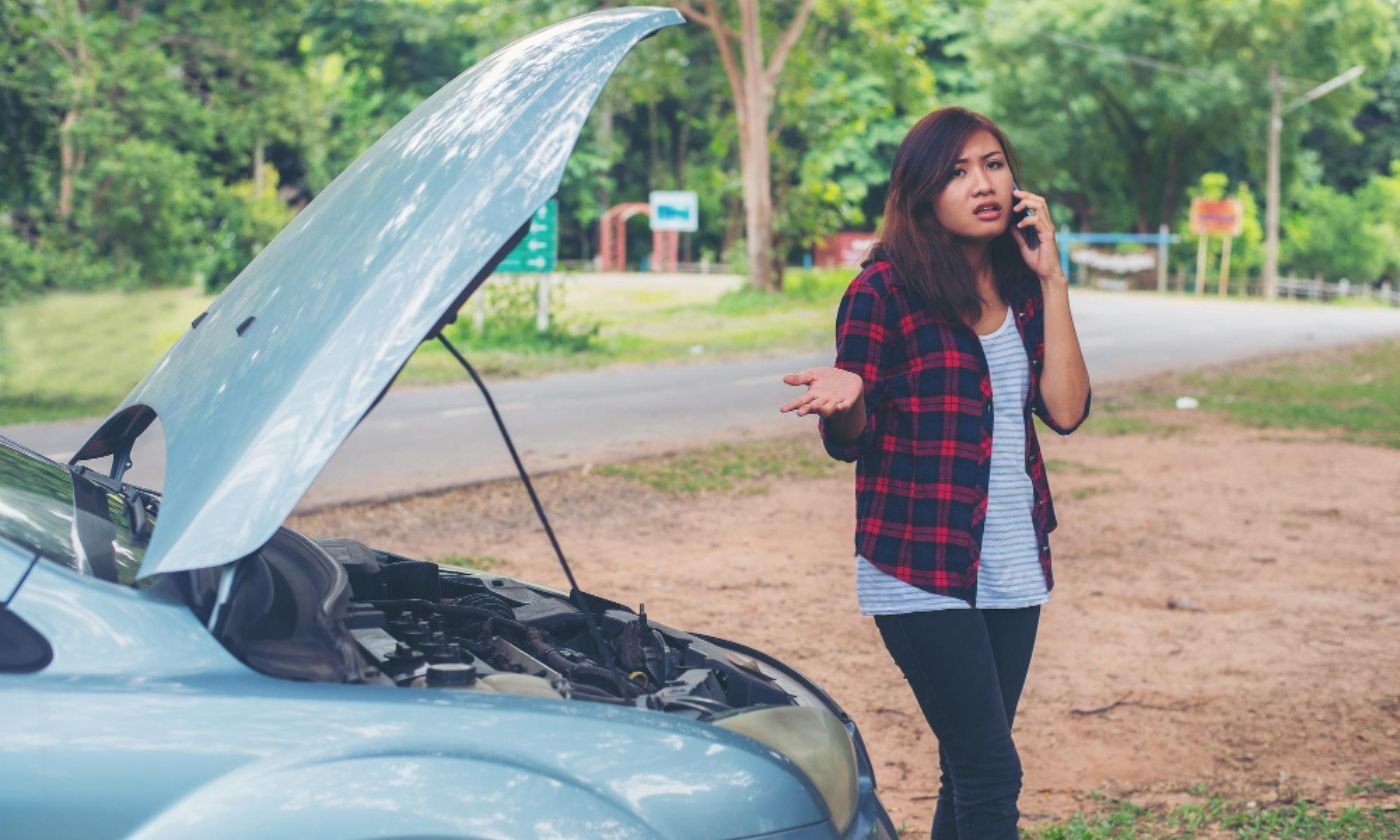
A vehicle breakdown can interrupt your day without warning. Once you call the towing service and confirm that help is coming, you may feel slightly relieved. But the waiting period is where most mistakes happen. This is the time when you need to stay alert, think clearly, and follow a few important steps to keep yourself safe.
Below are the key things you should do after calling the tow truck, with each point fully explained so you understand exactly why it matters.
1. Move Your Vehicle to a Safe Area
If your vehicle still has some momentum or power, your first priority is to move it out of traffic. Staying in the middle of the road is extremely risky because other drivers may not expect a stopped vehicle and might not have enough time to slow down.
Try to move the car to:
- the shoulder of the road
- a service lane
- a parking bay
- any open, safe spot away from moving traffic
Once you park, turn the steering wheel slightly toward the curb and engage the handbrake. This prevents the car from rolling forward or backward, especially on a slope. A stable, safe position ensures that you can handle the situation calmly while waiting for the tow truck.
If your vehicle is completely dead and cannot move, don’t panic. Keep the hazard lights ON and remain inside until you can safely step out.
2. Turn On Your Hazard Lights and Keep Them On
Hazard lights are your biggest communication tool during a breakdown. When they flash, they immediately tell other drivers to slow down and approach with caution. Even if it’s daylight and the road seems empty, keep your hazard lights on at all times while waiting.
Hazard lights are especially important during:
- rain
- fog
- low light conditions
- nighttime
- sharp curves or slopes
They create a visual warning zone around your vehicle, reducing the chances of sudden collisions. Think of them as a safety shield that keeps you visible until professional help arrives.
3. Set Up a Reflective Triangle (If Safe to Do So)
A reflective warning triangle helps drivers see you from far away. If you are in a safe position and the traffic is manageable, place the triangle behind your vehicle at a proper distance.
Here’s how far you should place it:
- 15–20 feet behind the car on city roads
- 40–50 feet behind the car on highways
- More than 60 feet if visibility is low (fog, rain, or darkness)
This gives approaching drivers advance warning so they can safely change lanes or slow down. If the traffic is heavy or the area feels risky, skip this step. Never put yourself in danger just to place a warning sign.
4. Stay Inside the Vehicle if the Surroundings Feel Unsafe
Once the call is made and the tow truck is on the way, staying inside your vehicle is usually the safest option—especially if you are on a busy highway or an isolated area.
Inside the vehicle, you are protected from:
- fast-moving cars
- bad weather
- unnecessary interaction with strangers
- possible threats or unsafe behavior from unknown people
Lock the doors and keep your seatbelt on in case another vehicle hits your car. If you step out, stay far from the road and never stand directly behind or in front of your vehicle, where you are most vulnerable.
Your personal safety is more important than checking the engine or inspecting the tyres.
5. Keep Your Phone Handy and Save Battery
Once the towing team is on the way, your phone becomes your lifeline. They may call you for directions or updates, especially if they cannot spot your exact location.
To make sure your phone lasts until the tow truck arrives, try to:
- lower brightness
- switch on battery saver mode
- avoid video streaming or browsing
- close background apps
If you have a power bank, plug in your phone immediately. A charged phone ensures clear communication, which helps the towing process go smoothly.
6. Share Your Location with Someone You Trust
Even though professional help is coming, it is still wise to let a friend or family member know where you are. Share your live location through WhatsApp or SMS and give them a quick update.
This step gives you an added layer of security because someone else knows:
- where you are
- that you are waiting for a tow truck
- how long the help is expected to take
If it gets dark or if your phone battery dies later, this early message can make a big difference.
7. Avoid Accepting Help from Strangers
People may stop and offer to help when they see your hazard lights. While some may genuinely want to assist, it is safer to decline politely. Since you already have a tow truck on the way, you don’t need any additional help.
A simple response like:
“Thank you, the tow truck is already coming,”
is enough.
Avoid sharing personal details, unlocking your door, or stepping outside if you feel uncomfortable. Trust your instincts. Your safety is more important than seeming polite.
8. Keep Your Windows Only Slightly Open (If Needed)
If you want fresh air or feel uncomfortable keeping everything closed, slightly open the windows—but not enough for someone to reach inside. Many people make the mistake of rolling windows fully down while waiting, making themselves vulnerable.
Open just a small gap if needed.
Keep the doors locked at all times.
Avoid displaying valuables inside the car.
9. Stay Aware of Your Surroundings
Waiting can feel boring, but remaining alert is important. Pay attention to the vehicles passing by, people approaching, and any unusual movement around your car.
Look out for:
- someone circling the car
- anyone tapping on windows unnecessarily
- suspicious behavior
- sudden loud noises or traffic approaching rapidly
Awareness helps you react quickly if anything seems unsafe. Don’t get too absorbed in your phone or music. Stay mindful of your environment until help arrives.
10. Avoid Attempting Repairs on Your Own
Since the tow truck is coming, you don’t need to become a mechanic. Avoid trying to fix things unless it’s something extremely basic and safe—like removing loose debris or checking the tyre visually.
Do not:
- open the bonnet if the engine overheated
- try to change a tyre on a busy road
- touch leaking fluids
- attempt electrical repairs
- crawl under the vehicle
None of this is necessary once help is on the way. Your safety is the priority, and professional technicians will handle the vehicle properly when they arrive.
11. Prepare for the Tow Truck’s Arrival
When you receive a call that the tow truck is close, look out for:
- the company name given to you earlier
- the truck’s number or driver identity
- any details shared during your initial call
This is a simple safety check so you don’t hand your vehicle to the wrong person. Once you confirm, step out carefully and stay clear of traffic while the technician inspects or hooks up the vehicle.
Keep any documents or keys ready so the process is smooth and quick.
Final Thoughts
Once you call the towing service, the emergency is already under control. The remaining steps are all about keeping yourself safe, staying visible, and avoiding unnecessary risks until help arrives. A breakdown is inconvenient, but with the right approach, you can handle the situation calmly and confidently.
The most important things to remember are: stay visible, stay alert, stay inside if unsure, and let the professionals handle the rest.
If you ever face a breakdown and need quick, reliable towing support, reach out to Ride N Rescue. Their team ensures fast response, safe handling, and complete peace of mind—anytime you need help on the road.
GET IN TOUCH
Related Blog
Similar articles you may like

Kolkata Drenched in Minutes: How to Save Your Car or Bike During a Cloudburst
When the skies opened up over Kolkata in September 2025, the city witnessed hours of relentless downpour that flooded streets,…

Different Types of Roadside Assistance You Should Know About
Imagine you are driving through the busy lanes of Kolkata, maybe on EM Bypass or near Park Circus, when suddenly…

Roadside Assistance or Towing – Which Service Fits Your Situation?
Imagine you’re driving down the EM Bypass on a busy weekday evening. The traffic is slow, the honking never seems…